
Modelling Paste & Gum Paste
Shop modelling paste and gum paste for sugar flowers, figurines, bows and detailed cake decorations. We stock Fondtastic White Modelling Paste in 250g ($11.95) and 1kg ($21.95), plus Tylose Powder (CMC) 55g ($8.50) for converting fondant into modelling paste at home.
Modelling Paste & Gum Paste
-
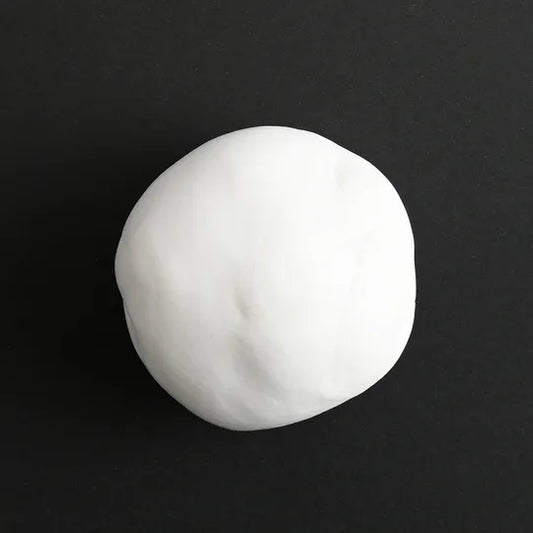
Fondtastic White Modelling Paste 1KG
Regular price $21.95 AUDRegular priceUnit price per$0.00 AUDSale price $21.95 AUD -
Fondtastic White Modelling Paste 250g
Regular price $11.95 AUDRegular priceUnit price per -
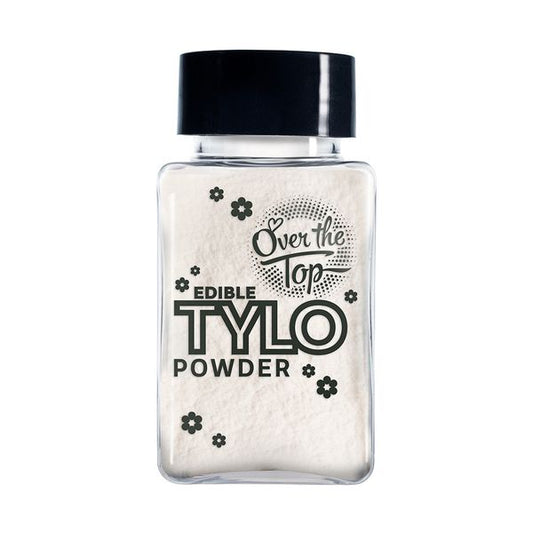
Tylose Powder (High Grade CMC) 55g
Regular price $8.50 AUDRegular priceUnit price per$0.00 AUDSale price $8.50 AUD


Part of our Icing & Fondant collection.
Modelling Paste vs Gum Paste vs Fondant — What's the Difference?
These three products are closely related but have key differences in how they handle and dry:
| Fondant | Modelling paste | Gum paste | |
|---|---|---|---|
| Texture when fresh | Very soft, stretchy | Firmer, more body | Firm, elastic |
| Dries to | Stays slightly soft | Semi-hard, holds shape | Rock hard |
| Can roll paper-thin | No — tears | Limited | Yes — ideal for petals |
| Best for | Covering cakes | Figurines, bows, logos | Sugar flowers, fine petals |
| Working time | Long — stays pliable | Medium — dries gradually | Short — dries quickly |
In Australia, "modelling paste", "gum paste" and "flower paste" are often used interchangeably. The Fondtastic White Modelling Paste in this collection is suitable for all three applications — figurines, flowers and decorative elements.
Fondtastic White Modelling Paste
Fondtastic White Modelling Paste is a ready-to-use, white modelling paste formulated specifically for sculpting, decorations and sugar flowers. It has more body and firmness than standard fondant — it holds its shape when rolled and dries to a firm finish that supports fine detail.
Available in:
- 250g — $11.95 — ideal for small decorative elements, individual figurines or trying the product for the first time
- 1kg — $21.95 — better value for decorators working on larger projects or multiple decorations
Fondtastic is white, making it easy to colour with gel food colours — knead in a small amount of gel colour for even, consistent results. For deep colours (black, red, navy) use a generous amount of gel or start with a small amount and gradually build up.
Fondtastic Modelling Paste can be used for:
- Figurines — people, animals, characters
- Bows, frills and ruffles
- Sugar flowers — roses, gerberas, daisies, leaves
- Logos, plaques and number decorations
- 3D decorative elements that need to hold shape while drying
Tylose Powder (CMC) — Make Your Own Modelling Paste
Tylose Powder (High Grade CMC) 55g — $8.50 is a food-safe cellulose gum powder that, when kneaded into fondant, transforms it into a firm modelling paste or gum paste. This is one of the most cost-effective ways to create modelling paste — especially if you already have fondant on hand.
CMC (carboxymethyl cellulose) is the active ingredient in most commercial gum pastes. Kneading it into regular fondant causes the paste to firm up and dry harder, giving you much greater control over fine detail and structure.
How to Make Modelling Paste with Tylose Powder
- Start with 250g of ready-to-roll fondant at room temperature
- Dust your work surface lightly with cornflour or icing sugar
- Add 1 teaspoon of Tylose Powder to the fondant
- Knead firmly for 3–5 minutes until the Tylose is fully incorporated and the paste feels firmer and more elastic
- Wrap tightly in plastic wrap and rest in a sealed bag for 30 minutes before use — the paste will firm up further as it hydrates
- If still too soft after resting, knead in a small additional amount of Tylose
Ratio guide: 1 tsp Tylose Powder per 250g fondant for modelling paste. For flower paste (needs to roll paper-thin without tearing), increase to 1.5–2 tsp per 250g.
Tylose Powder is also used in other applications — see our Glues, Gums & Ingredients collection for the full listing including edible glue, rose spirit and Bakers Bond.
Tips for Working with Modelling Paste
- Keep it covered — modelling paste dries out quickly. Keep any paste not being worked with wrapped in plastic wrap.
- Use small amounts of shortening — if the paste feels stiff or is cracking, rub a tiny amount of vegetable shortening into it to restore elasticity. Avoid adding water — it makes the paste sticky.
- Dry decorations on foam or cornflour — flowers and petals should be dried in formers (cups, foam) to maintain their shape as they dry. Flat decorations can dry on a lightly dusted surface.
- Colour before working — knead gel colour into the full batch of paste before shaping; trying to add colour to an already-shaped decoration is very difficult.
- Allow adequate drying time — decorations need 24–48 hours to dry fully depending on thickness. Thicker pieces like figurines may need 3–5 days.
- Add shimmer after drying — once your decorations are firm, dust with lustre dust or petal dust for a professional finish.
Frequently Asked Questions
What is modelling paste used for?
Modelling paste is used to create 3D decorations for cakes — figurines, sugar flowers, bows, ruffles, letters, logos and decorative elements. It holds its shape much better than regular fondant and dries to a firm finish that supports fine detail.
What is the difference between gum paste and modelling paste?
In practice, the terms are often used interchangeably in Australia. Technically, gum paste dries harder and faster than modelling paste, making it better for ultra-fine petal work. Modelling paste has a slightly longer working time and more flexibility when dry — making it better for figurines. Fondtastic White Modelling Paste works well for both applications.
Can I make gum paste from fondant?
Yes — knead Tylose Powder (CMC) into fondant to create a homemade modelling or gum paste. Start with 1 teaspoon of Tylose per 250g of fondant, rest for 30 minutes, then adjust as needed. This is a cost-effective option if you already have fondant in stock.
How do I stop modelling paste from drying out?
Always keep unused paste wrapped tightly in plastic wrap and stored in a sealed zip-lock bag at room temperature. If paste has dried out slightly, knead in a tiny amount of vegetable shortening to restore workability. Do not add water — it will make the paste sticky and difficult to work with.
How long does modelling paste take to dry?
Drying time depends on thickness. Thin flower petals may dry in a few hours; figurines and thick pieces can take 2–5 days. Humidity slows drying — work in a cool, dry room where possible. Do not refrigerate drying decorations as humidity from the fridge will cause condensation.
What other products pair with modelling paste?
Modelling paste pairs with petal dust (for colouring and shading sugar flowers), lustre dust (for metallic or shimmer finishes), edible food pens (for fine detail on dried pieces), gel food colours (for colouring the paste), and edible glue (for attaching finished decorations to cakes).